An Investigation into Camera Internal Reflections
Introductory Comments
This article describes an internal reflection problem with my dedicated astro-camera and a possible fix. The camera is a Altair Astro 24CFX but many other cameras share the same problem.
Example of Problem
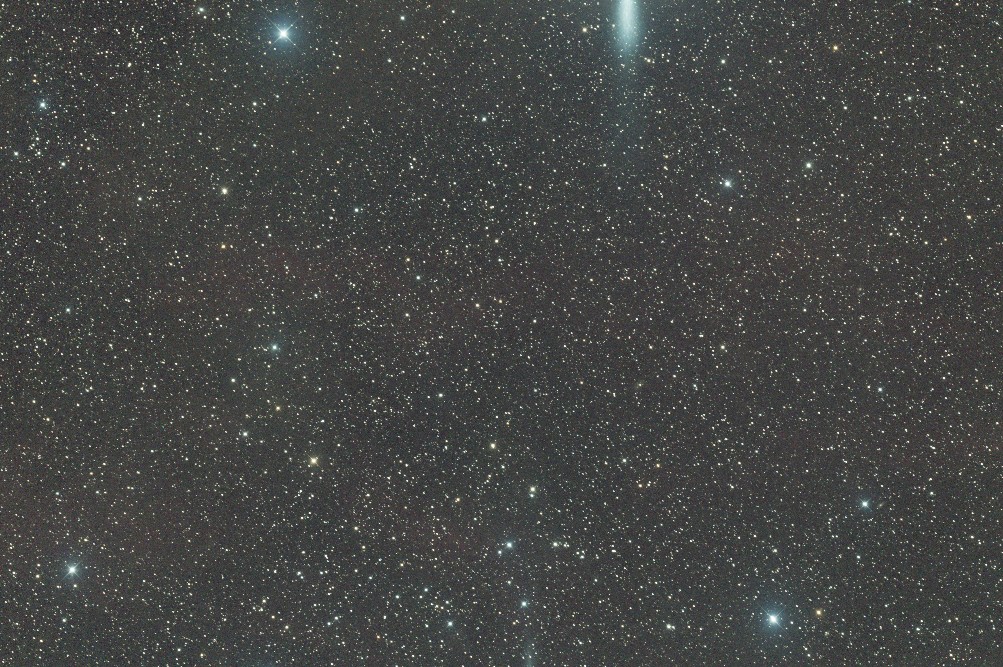
This image was part of a mosaic I was shooting. Noice the flare coming in at the top of the image:
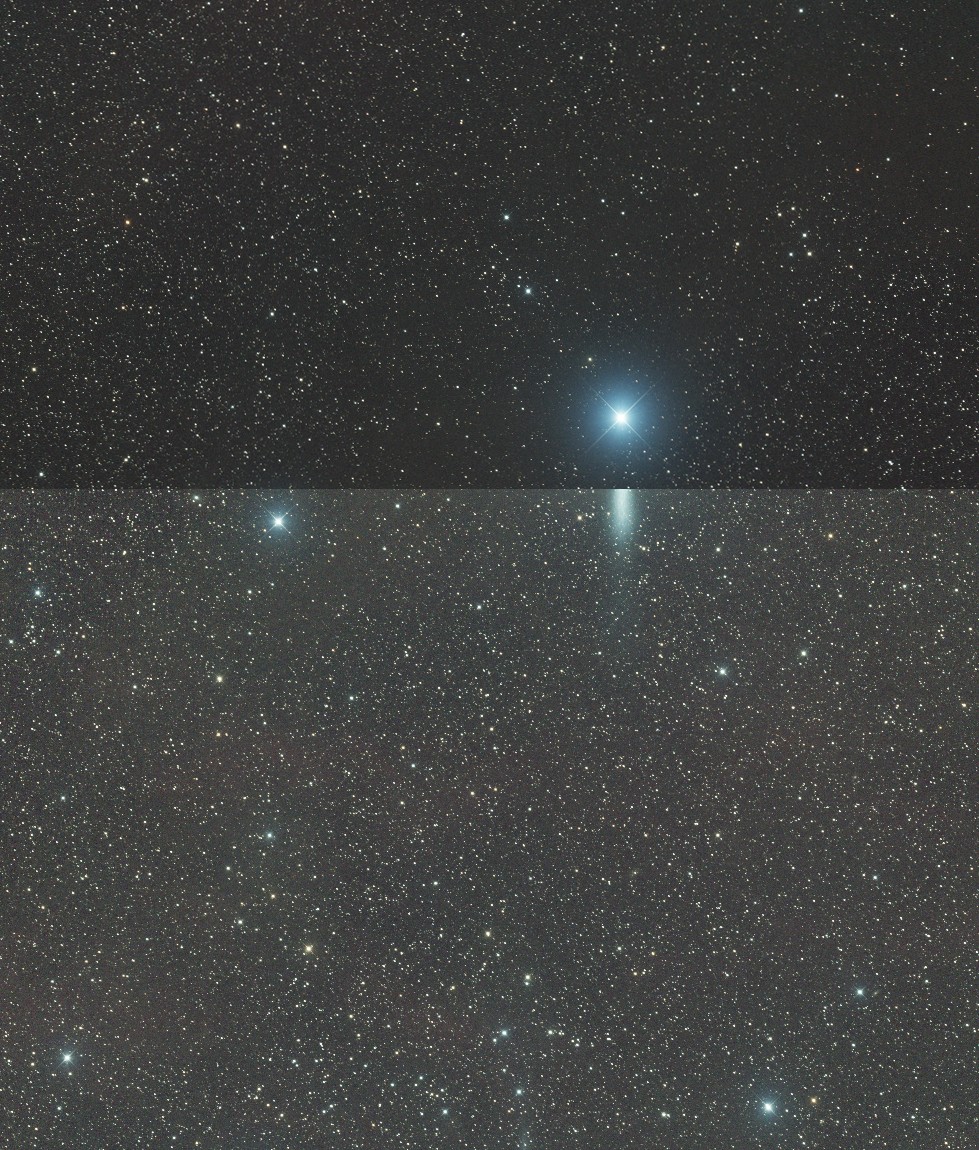
Lining this image up with the adjacent panel in the mosaic makes it obvious that the flare is originating from a star outside the sensor area:
The Cause of the Problem
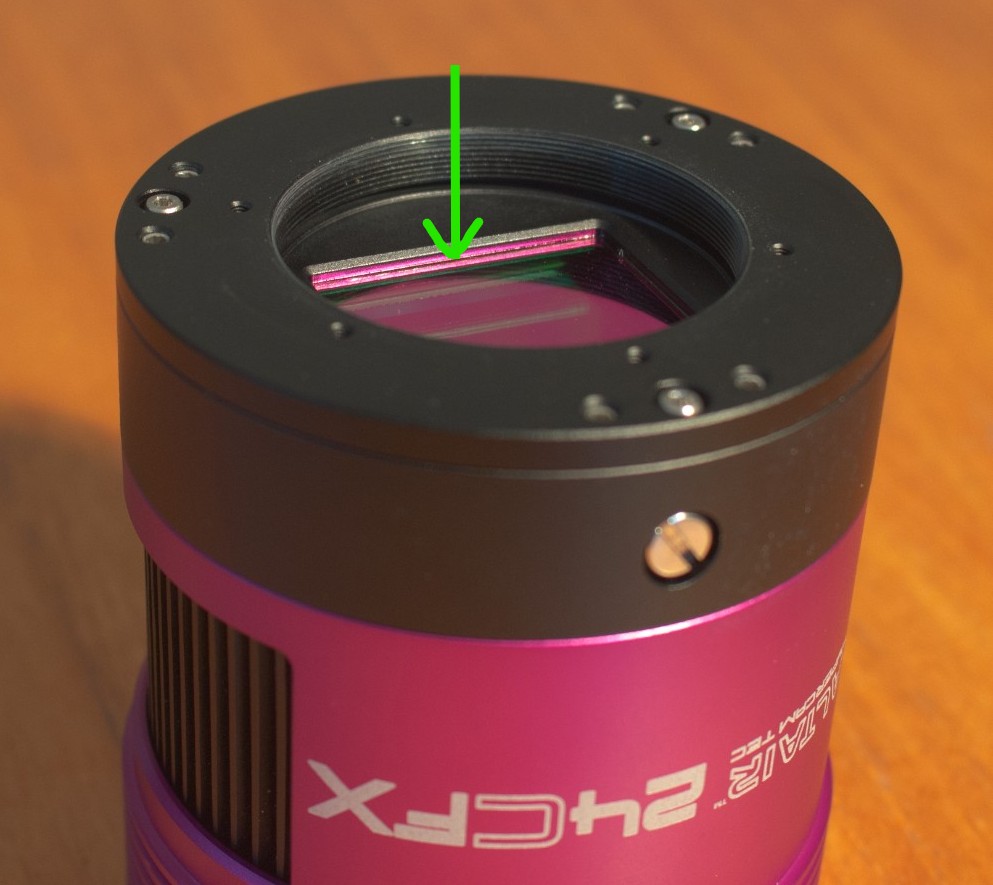
A photo of the camera itself taken from a carefully chosen angle shows that the edge of the glass camera window (indicated by an arrow) is very reflective and this is the cause of the problem because it leads to scattered reflections. The reflective edge appears purple in this photo because of the anti-reflective coatings on the surface of the glass.
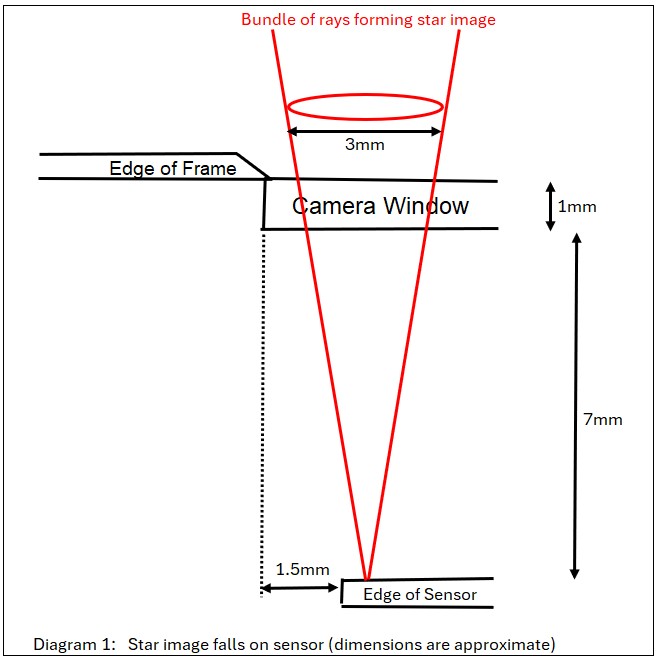
The glass window is approximately 1mm thick and has overall dimensions 39x27mm which is only 3mm larger than the 36x24mm of the full-frame sensor area. The following diagram (Diagram 1) shows the approximate geometry of the camera and how a star image is formed near the edge of the sensor with my Takahashi Epsilon 180ED telescope, which has a focal ratio of f/2.8
Note that the glass of the camera window projects 1.5mm beyond the active area of the sensor and this is indicated in the diagram.
The following diagram (Diagram 2) shows the formation of a star image 1mm outside the sensor area, which is not far enough outside the sensor area to trigger the scattered reflections:
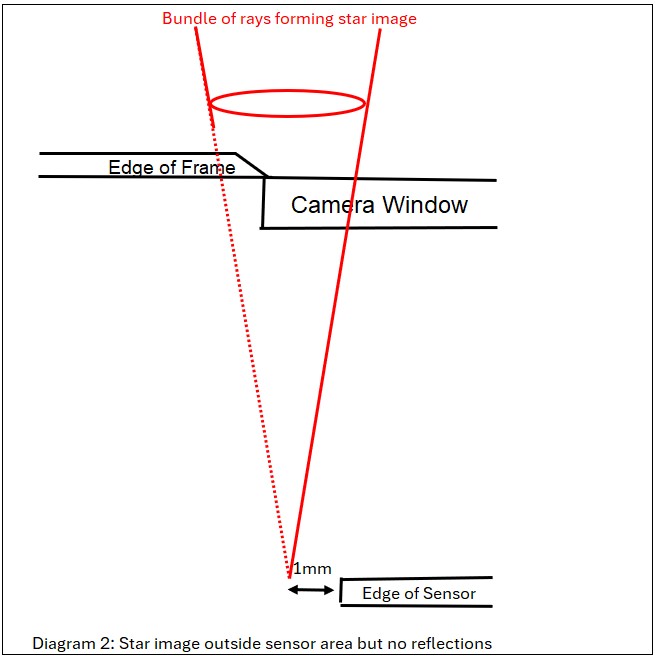
In this case, the star is not far enough outside the sensor area for any of the rays forming the image to hit the edge of the glass window. This is because the window is masked by the metal frame. However, practical tests with the camera attached to my Takahashi Epsilon 180ED showed that bright stars approximately 1.6-2.7mm outside the sensor area would cause the problematic reflections. Diagram 3 (below) shows an example with the star 2mm outside the sensor area:
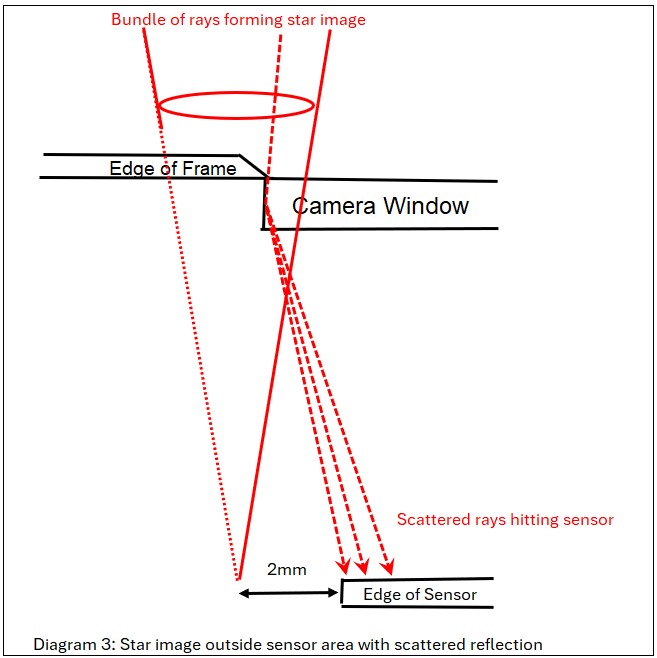
In this example, some of the rays forming the star image are able to hit the edge of the rectangular window and are then scattered towards the sensor causing the observed star flare in the image.
Workaround for the Problem
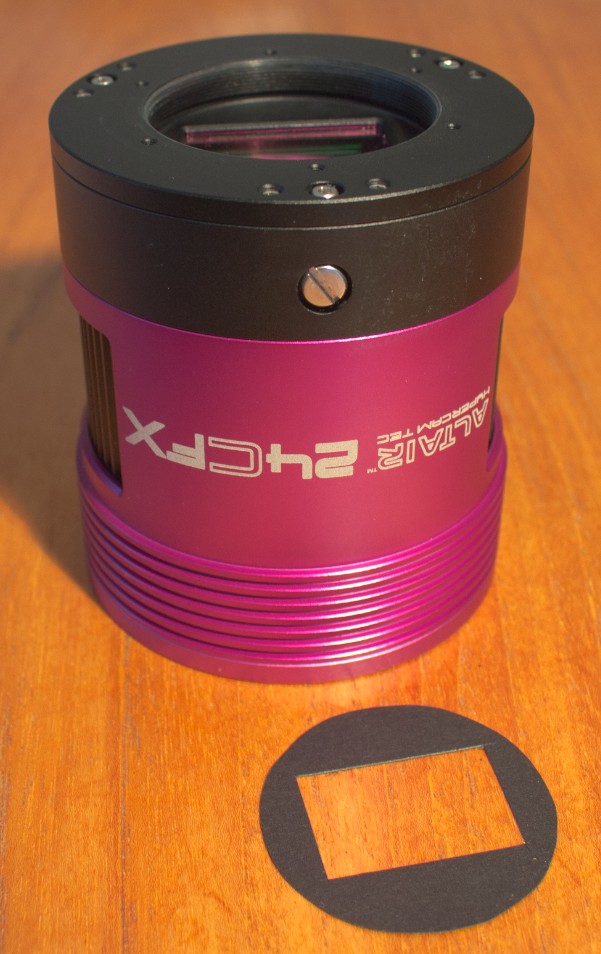
A possible solution to the problem is to cut a rectangular mask to sit on top of the metal frame, reducing the size of the rectangular opening. I used thin black card and the image below shows a mask cut to size and ready to be installed into the camera:
The following diagram (Diagram 4) shows how the mask prevents any rays from hitting the edge of the glass window and therefore prevents the scattered reflections:
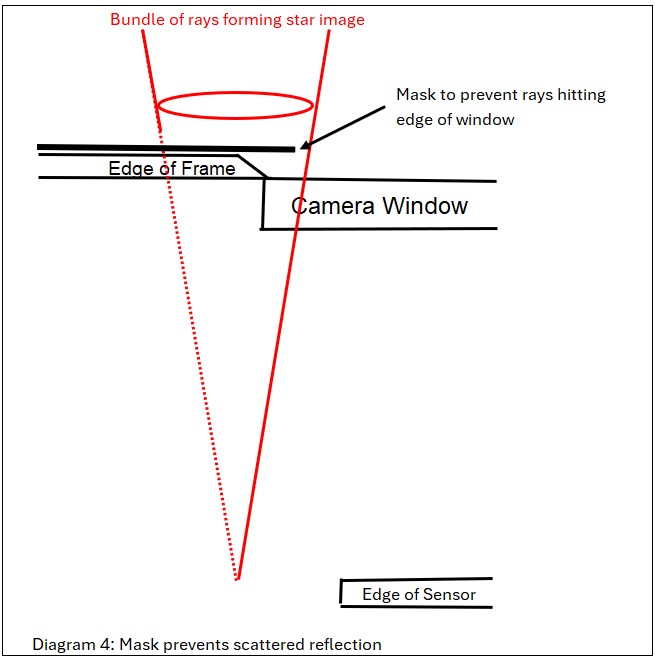
I experimented with various sizes of the rectangular opening in the mask and eventually settled on an opening of 37x25mm, which is only slightly larger than the sensor area. It should be noted that although this was effective for my Takahashi Epsilon 180ED, different optical systems may require the opening to be restricted even further.
The following images were taken before and after gluing the mask into position onto the metal frame of the glass window:
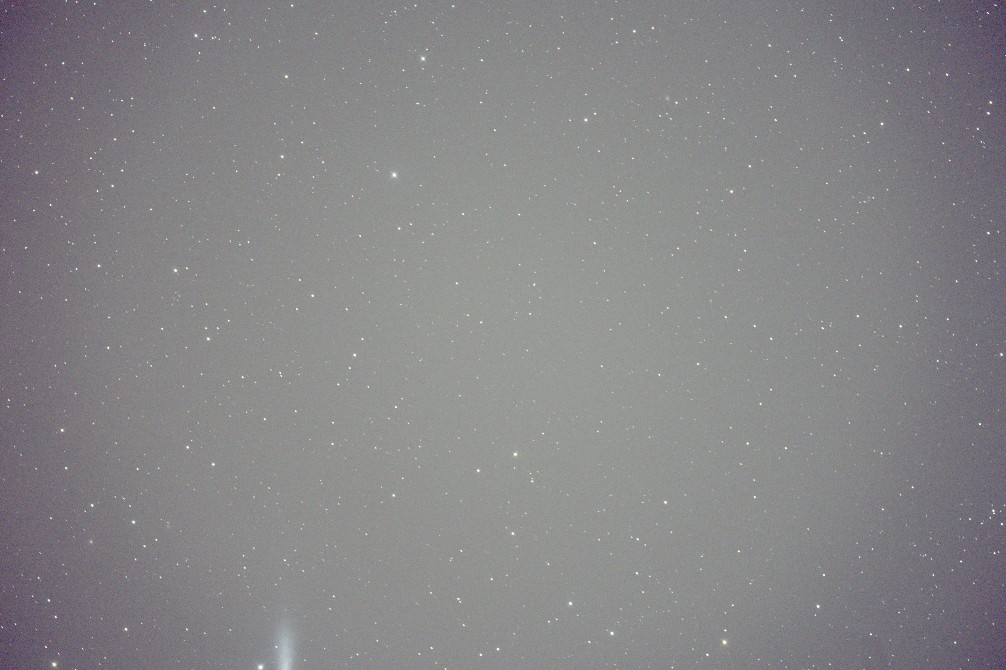
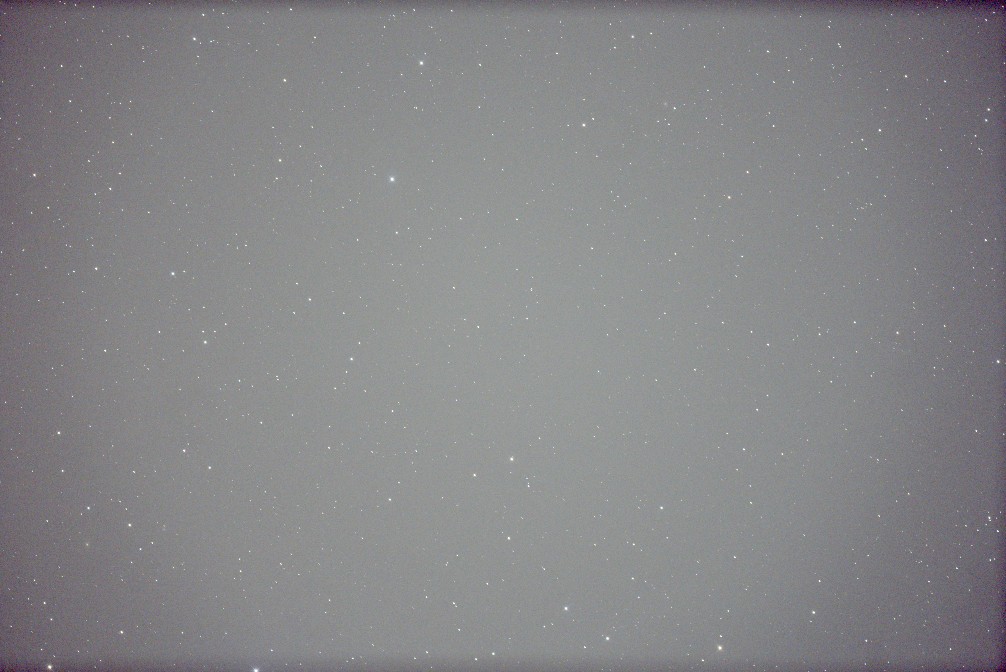
Notice that the scattered reflection at the bottom of the image has totally disappeared but the image also shows slightly increased vignetting in the extreme periphery. This additional peripheral vignetting is the main disadvantage of using a mask.
Considerations for Other Optics
Earlier it was mentioned that different optical systems may require the rectangular opening of the mask to be restricted even further. This is illustrated by the following diagram (Diagram 5):
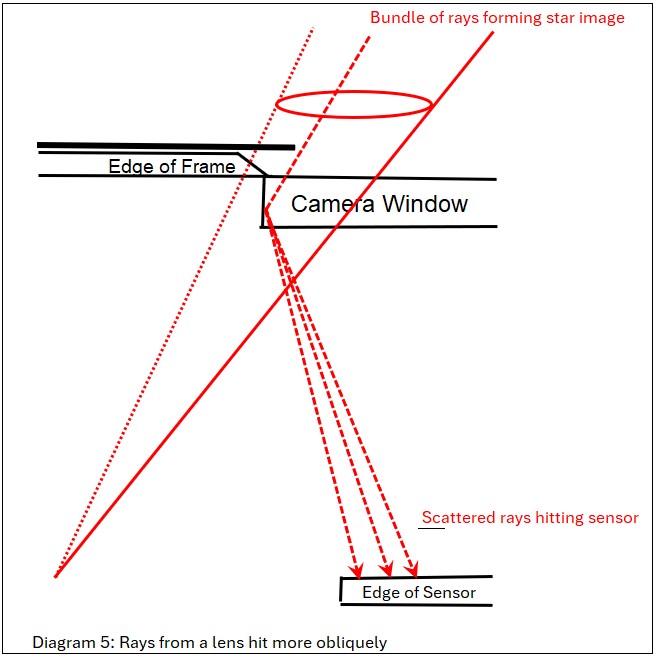
The diagram shows that rays approaching the area outside the sensor at a more oblique angle can bypass the installed mask and still hit the edge of the glass window. This could happen when using optics such as a camera lens, for instance, because all the rays are necessarily coming from a rear lens element with a much smaller diameter than the large corrector of the Takahashi Epsilon.
In the end, the size of the rectangular opening in the mask needs to be tuned to the optics being used and this will almost certainly require some trial and error.
Final Comments
The problem of reflected star flares analysed here probably affects all cameras with full-frame sensors from Touptek, Altair Astro and their clones because their rectangular glass windows are not sufficiently large. In my opinion these cameras need to be designed differently using a glass window that is much more oversized. Indeed, this seems to be the approach taken by ZWO where a oversize circular glass window is used. However, at least one camera manufactured by ZWO (the ZWO ASI 2600) has a related problem where scattered reflections can occur from the metal frame itself:
Flaring Artifact on ZWO ASI2600MC
Last updated by Mark Shelley: 19 April 2026 (astro@markshelley.co.uk)